Pioglitazone in Bodybuilding – Insulin Sensitivity and the Use of Exogenous Insulin
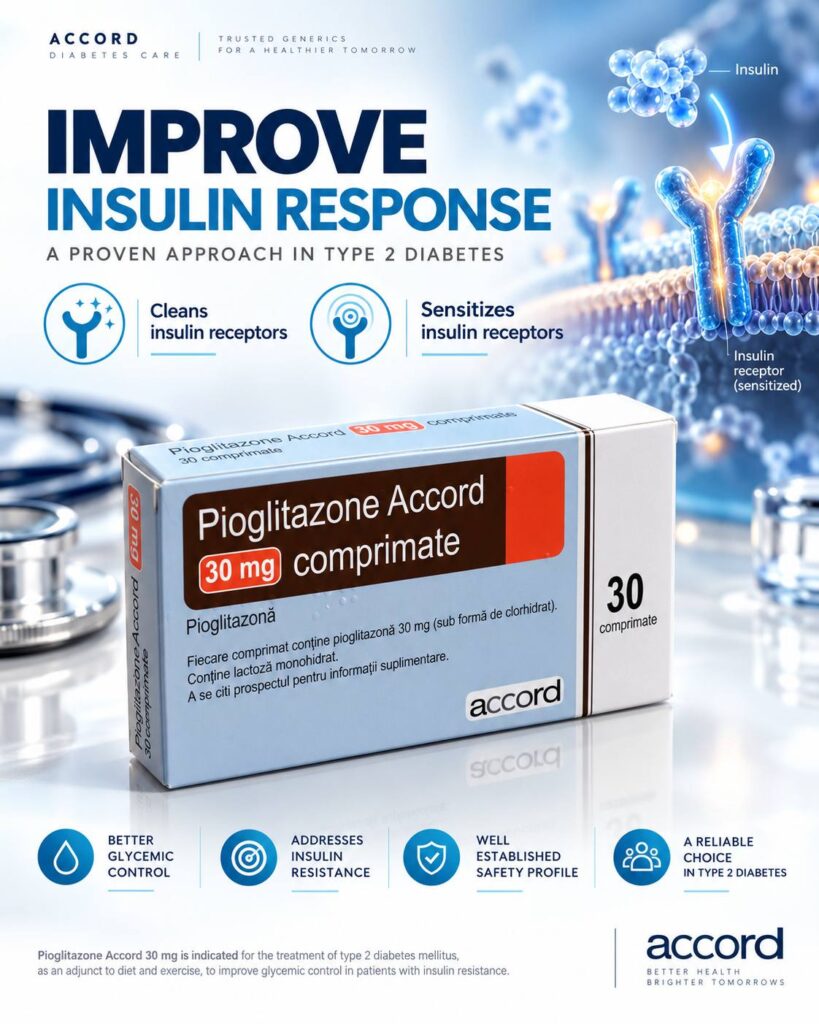
Pioglitazone is a medication from the thiazolidinedione (TZD) class, commonly used for the treatment of insulin resistance and type 2 diabetes mellitus. Its primary mechanism of action is the activation of the PPAR-γ (Peroxisome Proliferator-Activated Receptor Gamma) receptor, a transcription factor involved in regulating glucose and lipid metabolism.
In recent years, pioglitazone has also attracted attention within the bodybuilding community due to its effects on insulin sensitivity and the way the body utilizes carbohydrates.
How Does Pioglitazone Work?
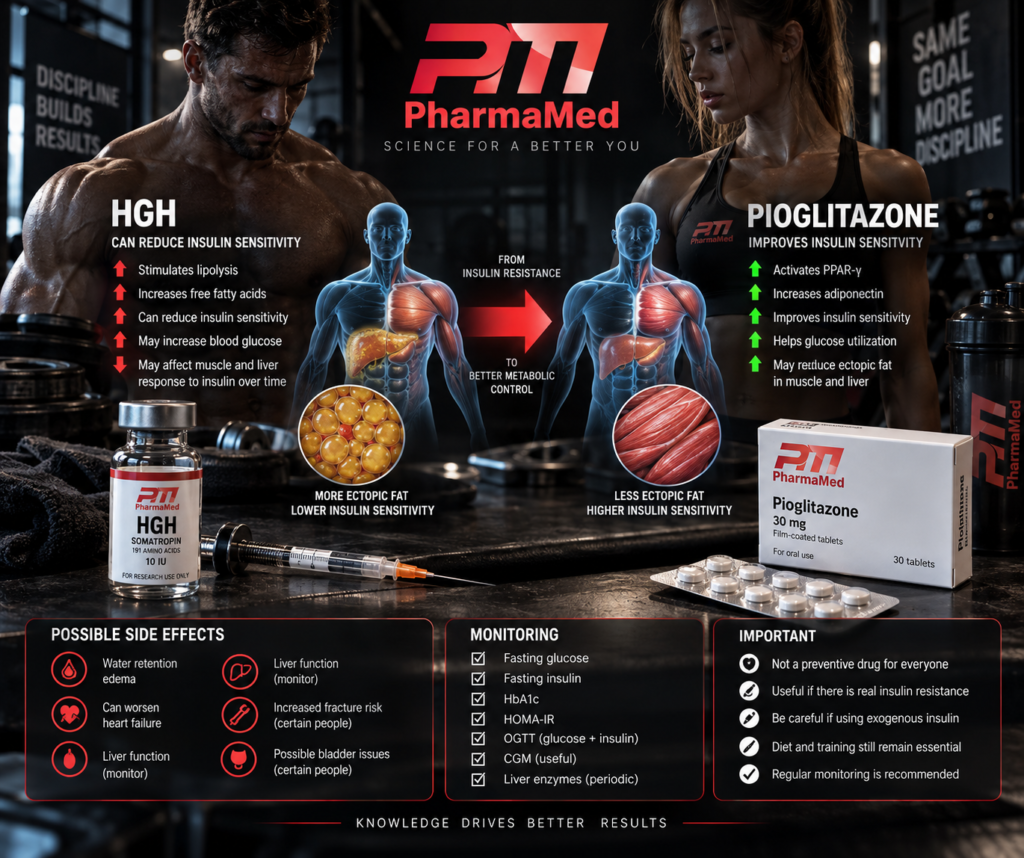
Pioglitazone does not stimulate the pancreas to produce more insulin, nor does it directly increase insulin levels in the bloodstream. Instead, it makes cells more responsive to the insulin already present.
In other words, the same amount of insulin can produce a greater metabolic effect.
At the cellular level, pioglitazone:
• increases insulin sensitivity;
• improves glucose transport into tissues;
• reduces hepatic glucose production;
• promotes efficient glycogen storage;
• lowers circulating free fatty acid levels;
• improves mitochondrial function.
The Connection Between Pioglitazone and Exogenous Insulin
Many athletes notice that after prolonged use of exogenous insulin, the body may respond less effectively to the same dosage.
This occurs because chronic exposure to elevated insulin levels can gradually reduce tissue sensitivity to insulin.
In such situations, pioglitazone may help restore part of that lost insulin sensitivity.
In practice, rather than continuously increasing insulin dosages, the body may become more efficient at utilizing the amount of insulin already being administered.
Potential Benefits for Bodybuilders
- More Efficient Carbohydrate Utilization
When insulin sensitivity is high, carbohydrates are directed more efficiently toward muscle glycogen storage.
Muscles can store greater amounts of glycogen, contributing to:
• a fuller appearance;
• increased muscle volume;
• faster recovery;
• improved training performance.
- Reduced Insulin Requirements
A body with greater insulin sensitivity may require lower insulin doses to achieve the same metabolic effect.
This is one of the primary reasons why some athletes focus on maintaining optimal insulin sensitivity over the long term.
- Enhanced Muscle Glycogen Replenishment
Pioglitazone may facilitate the processes through which glucose is converted and stored as glycogen.
During periods of high carbohydrate intake, this may support more effective replenishment of muscle energy reserves.
- Improved Metabolic Markers
Numerous studies have shown that pioglitazone may:
• reduce insulin resistance;
• improve glycemic control;
• decrease metabolic inflammation;
• improve lipid profiles in certain individuals.
The Role in Nutrient Transport
Many athletes believe insulin is simply a hormone that transports sugar into cells.
In reality, insulin is a complex anabolic hormone.
When insulin sensitivity is optimal:
• glucose enters muscle cells more efficiently;
• amino acids are utilized more effectively for protein synthesis;
• catabolic processes are reduced;
• post-workout recovery may be enhanced.
By improving insulin sensitivity, pioglitazone may amplify the body’s response to consumed nutrients.
Potential Drawbacks
Pioglitazone is not without side effects.
The most common include:
• water retention;
• weight gain;
• peripheral edema;
• increased plasma volume.
For this reason, some athletes experience a rapid increase in body weight during the first weeks of use.
This increase does not necessarily represent new muscle mass, but may instead be influenced by water retention and increased glycogen storage.
Conclusion
Pioglitazone is one of the few medications that directly targets insulin sensitivity. In the context of bodybuilding, interest in this compound stems from its ability to improve the body’s response to insulin and optimize carbohydrate utilization.
A body that is highly sensitive to insulin can direct nutrients more efficiently toward muscle tissue, store greater amounts of glycogen, and respond more effectively to nutritional intake. For this reason, pioglitazone is frequently discussed within advanced bodybuilding circles when long-term insulin sensitivity management strategies are being considered.
However, as a medication developed for the treatment of a medical condition, its use should be carefully evaluated, and any potential benefits should be weighed against possible side effects and individual risks.